
Find the interesting bit.
A small observation can open up a whole new direction. Look beyond the obvious, follow the detail and leave space for a useful surprise.
Start with a better question.
A few lines can be the start of something.
A good idea makes you look twice. We turn that spark into identities, websites and objects with a character of their own.


Ordinary things, seen differently.
A point of view is just the beginning. Here is how it takes shape.
From the first question to the final detail, each part helps the next one make sense.
A small observation can open up a whole new direction. Look beyond the obvious, follow the detail and leave space for a useful surprise.
Start with a better question.
The strongest idea should be easy to feel. Strip away the distractions, sharpen the story and let the right details do the talking.
Make space for what matters.
Personality lives in the choices: the colour you commit to, the words you use and the detail that could only belong to you.
A point of view beats a formula.
An identity should have somewhere to go. Across a page, onto a package or into motion, the same character should keep showing up.
Build a world, not just a mark.
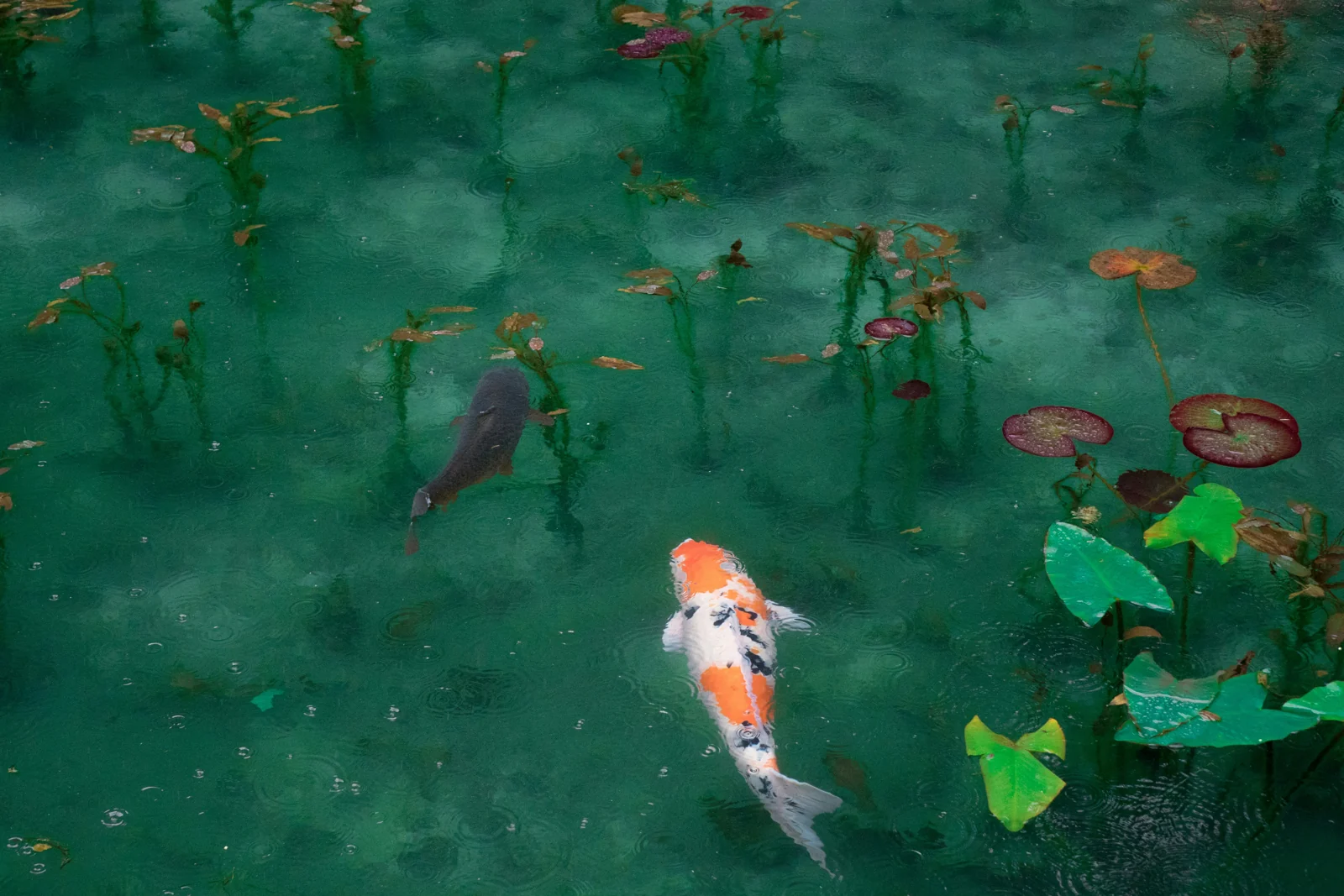
Good design creates a response. A second look, a smile, a moment of recognition. That is the part worth carrying forward.
Give people something to remember.
Curiosity, principle 1 of 5
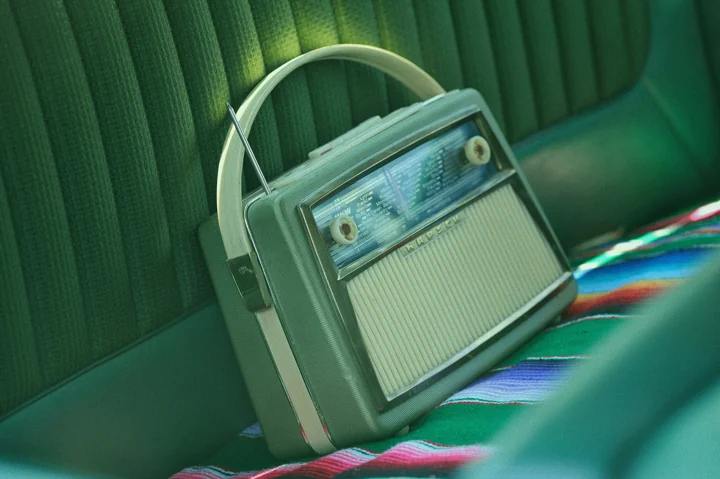
Start with what you are making, who it is for and what needs to change. A few clear sentences are more useful than a long list of deliverables.
With a point of view. The purpose, audience and personality give the visual choices somewhere to come from.
Yes. Start by identifying what people already recognise and what no longer fits. Keep the useful foundations and make the changes intentional.
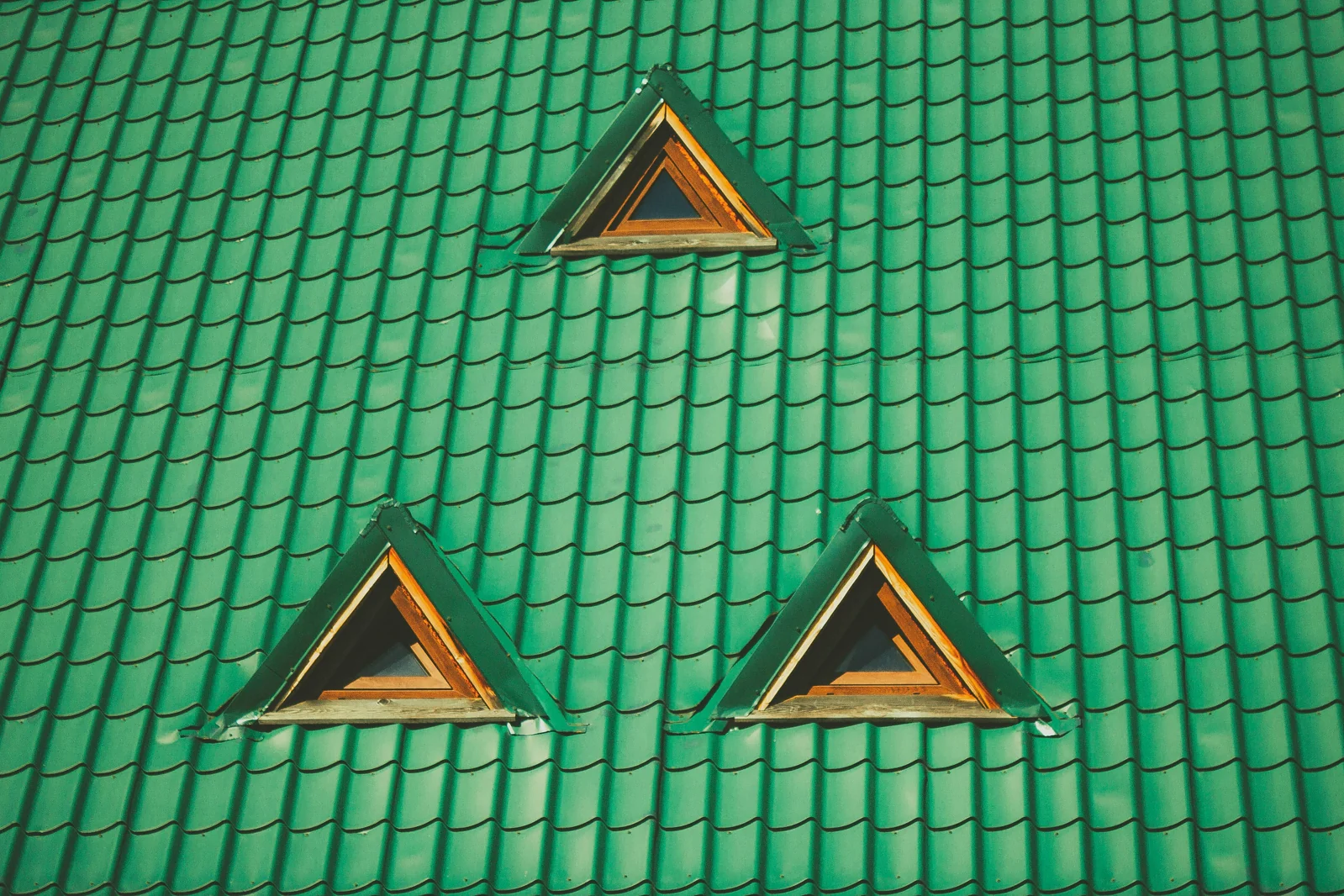
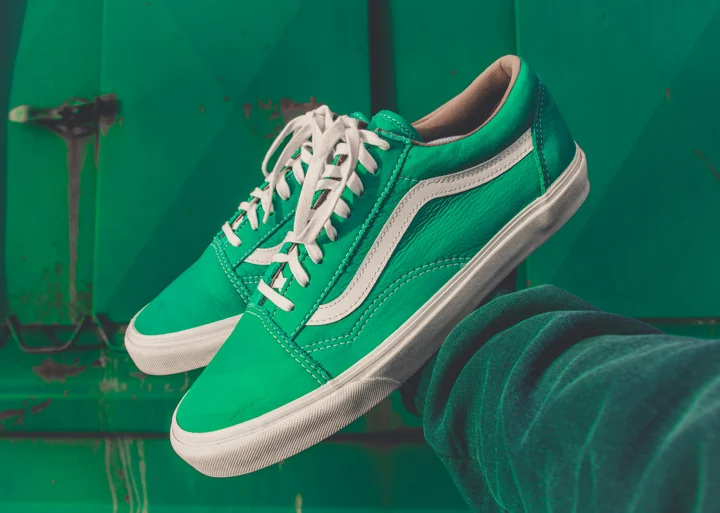
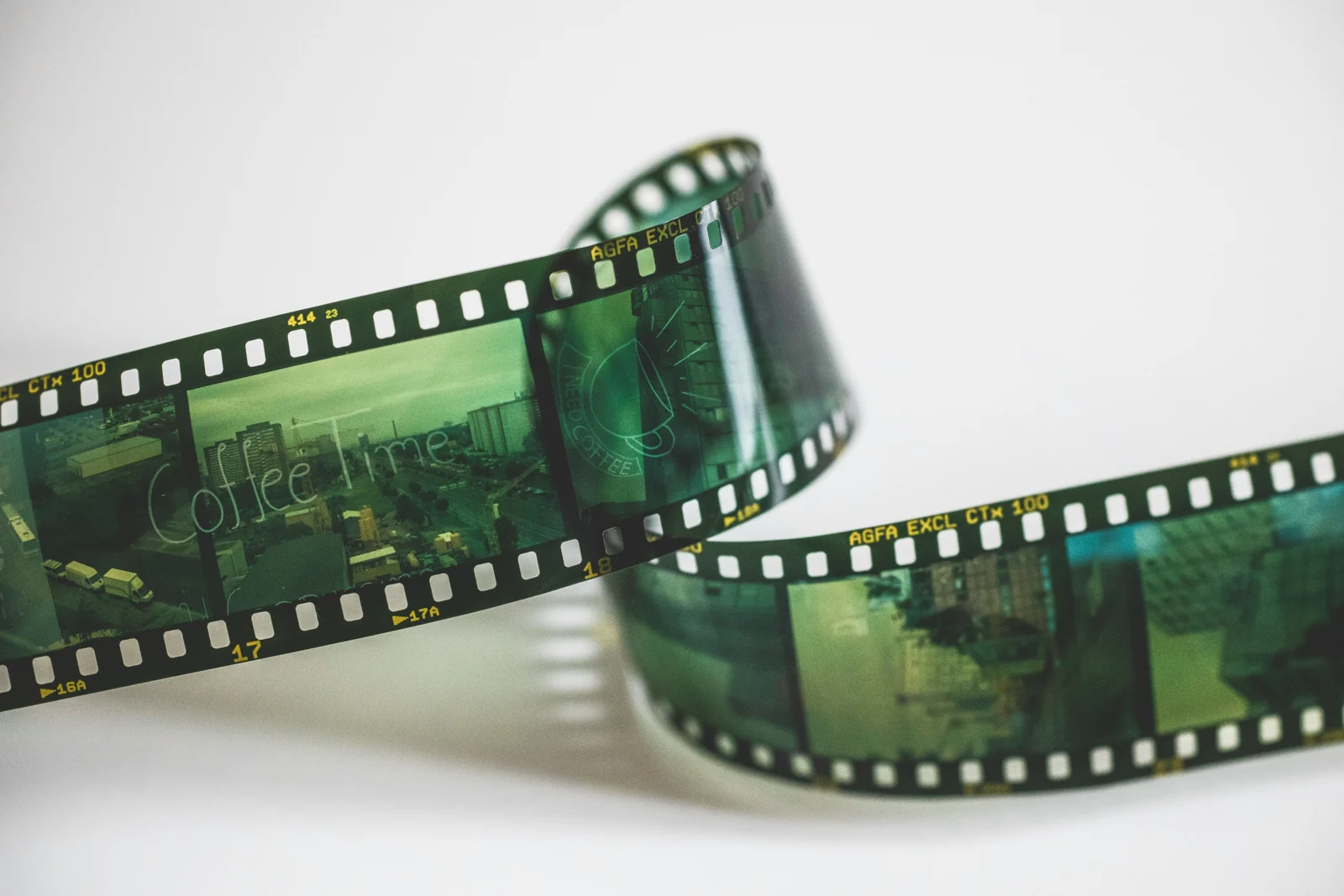
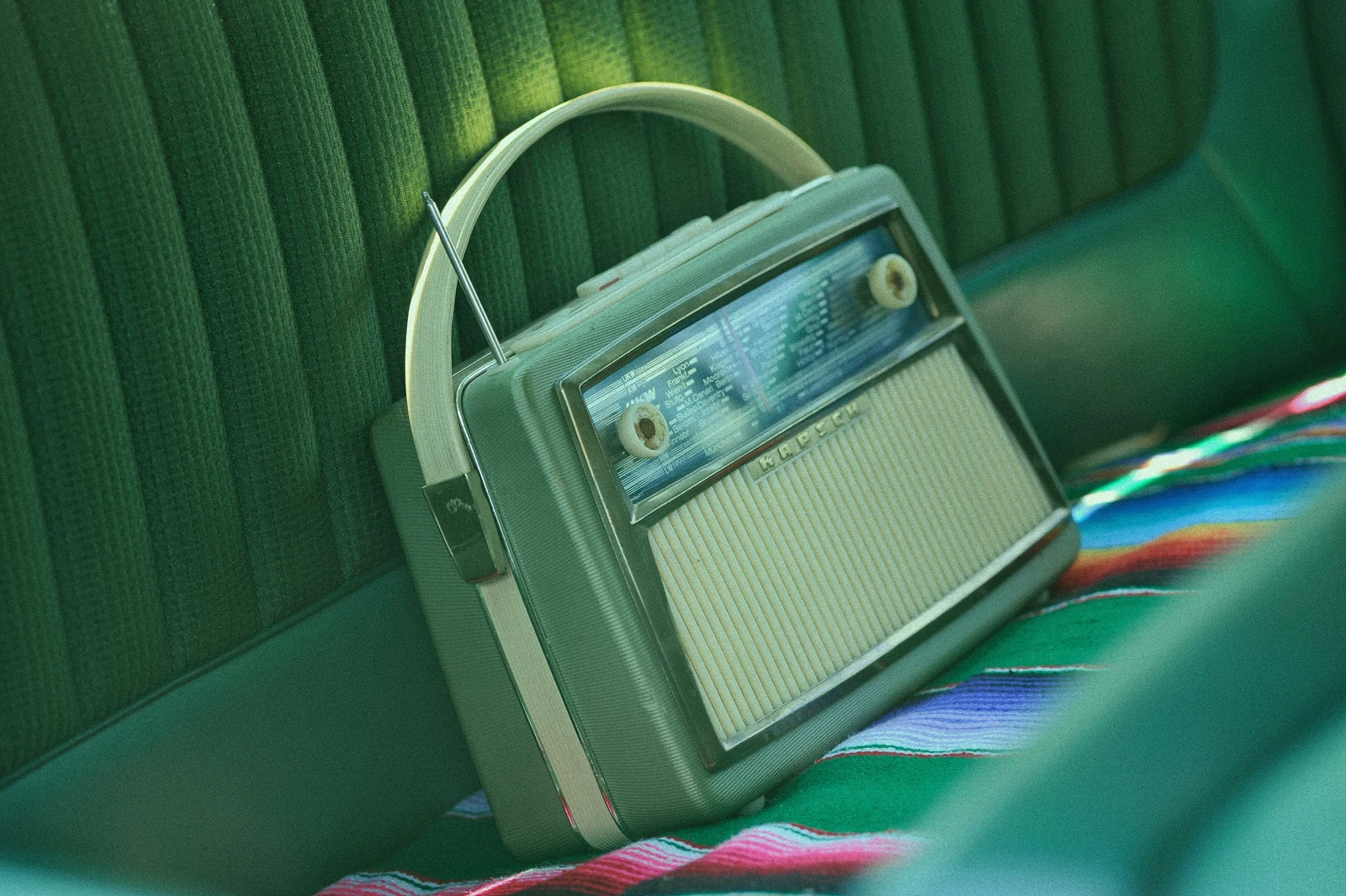
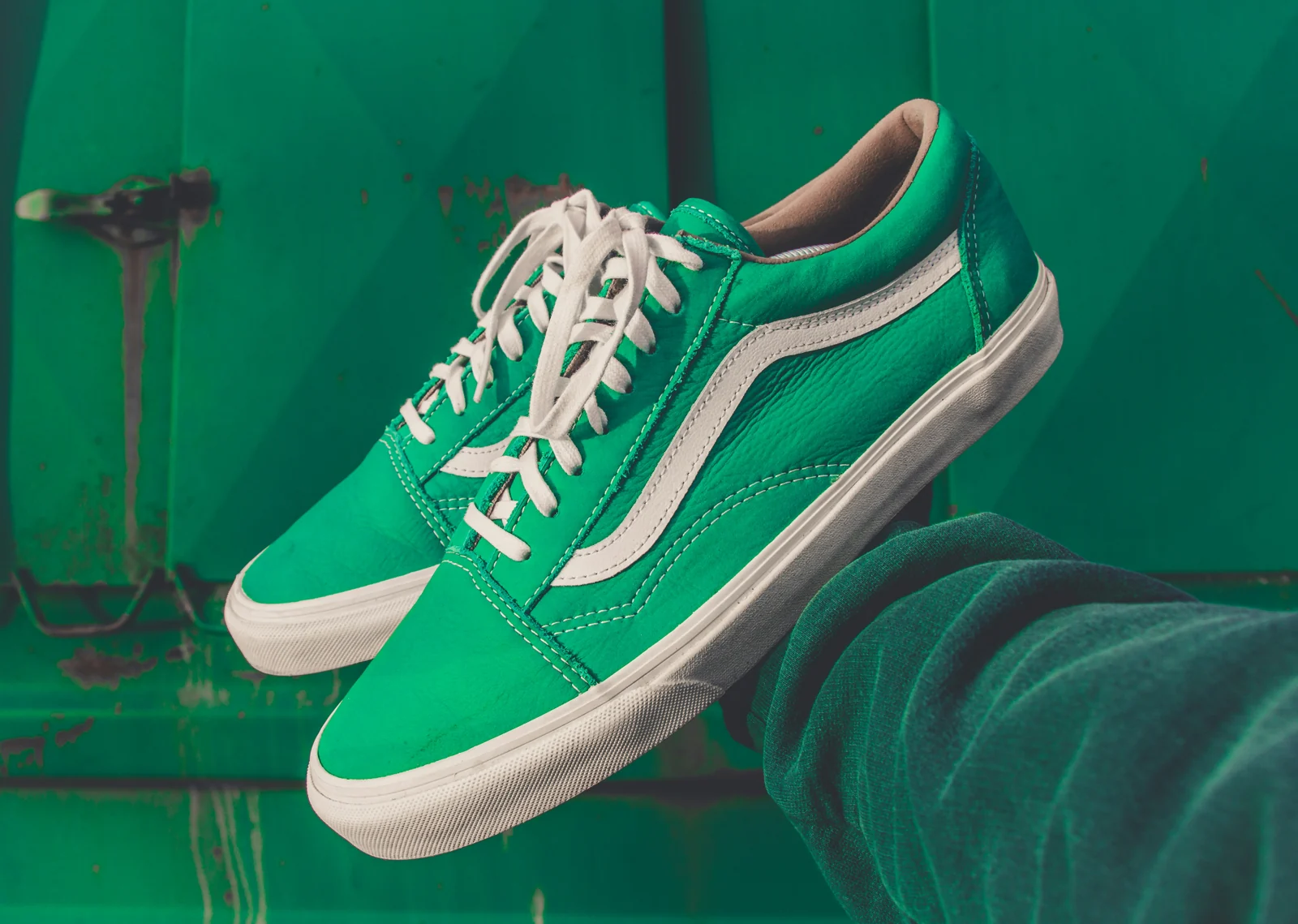
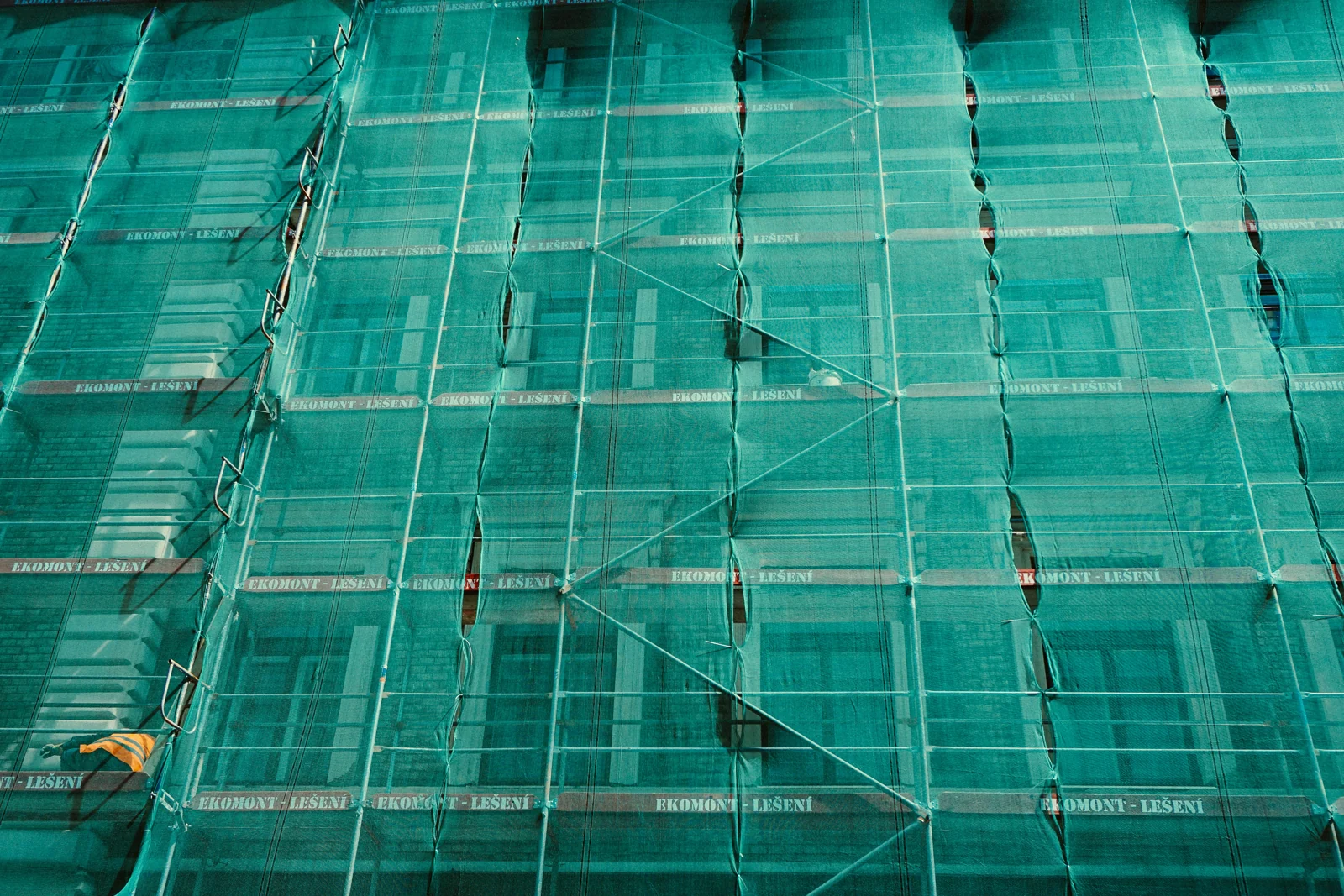
A shoe, a radio or a roof can reveal a useful combination of colour, rhythm and texture. Looking outside the immediate category makes room for unexpected ideas.
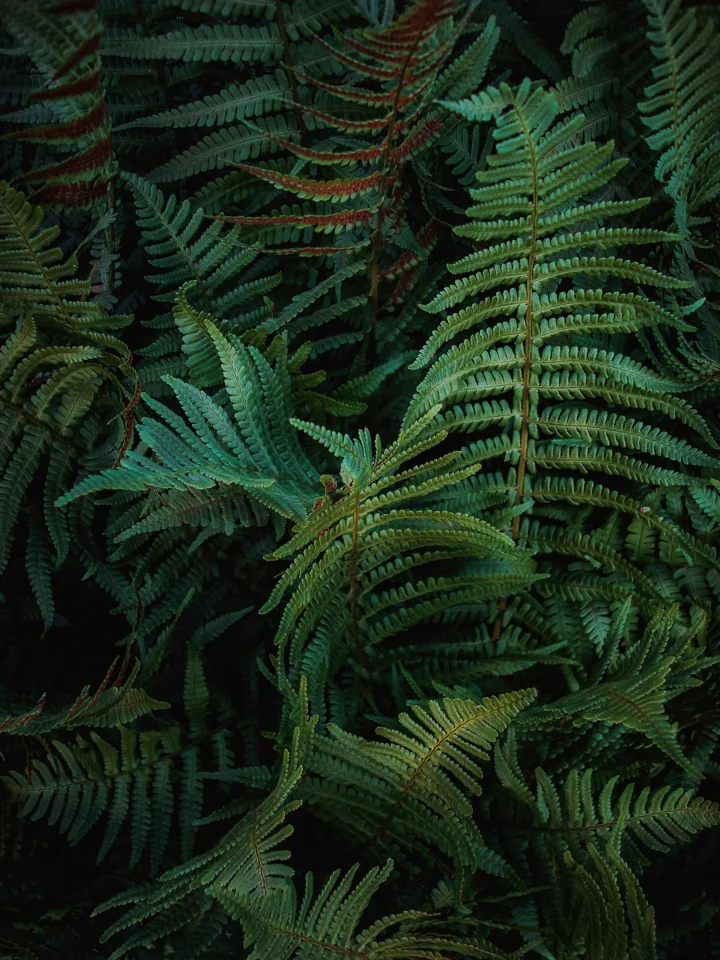
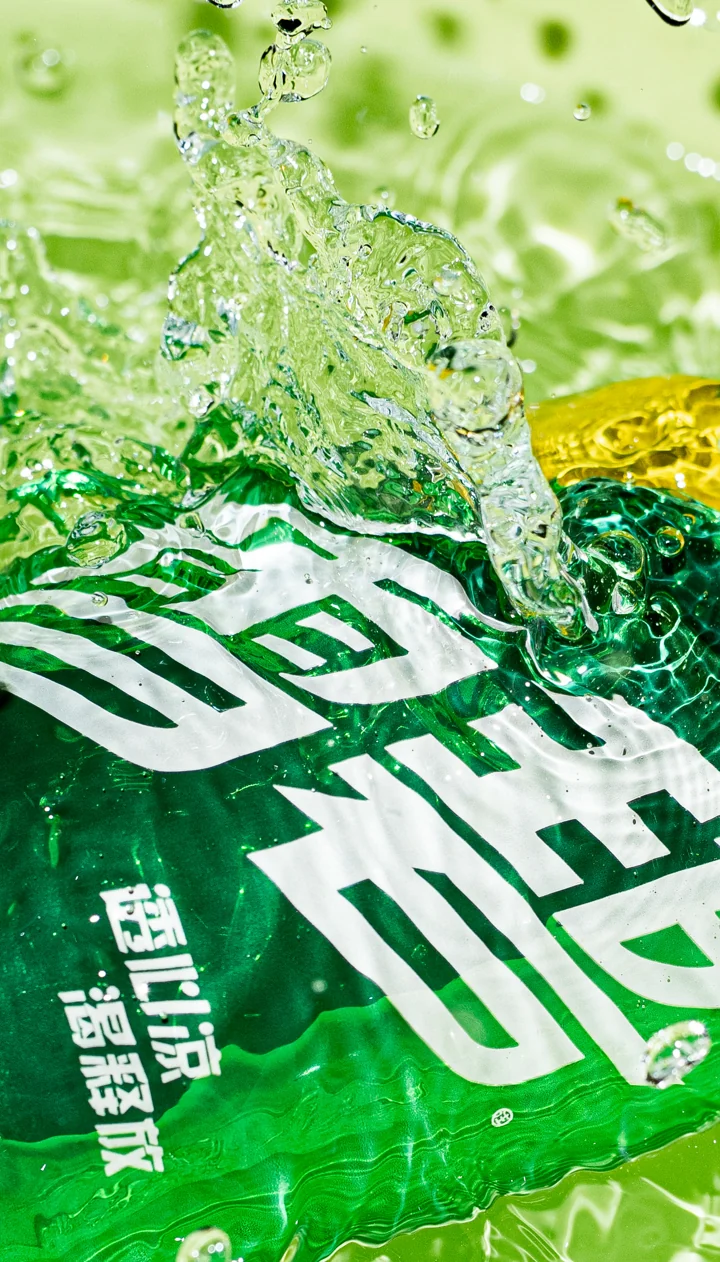
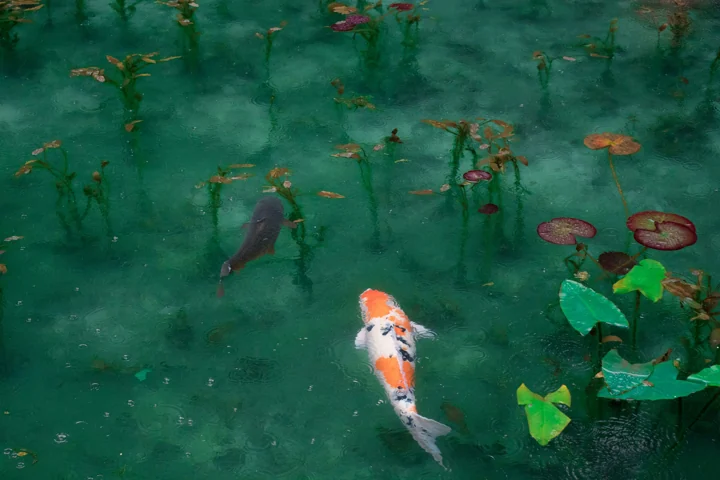
They are photographic references grouped around colour, texture and mood. Each pairs two images to explore a different visual connection.
Describe what you notice, how it feels and how it relates to the brief. Specific observations create a clearer next step.
The underlying character. Type, colour, imagery and motion can flex while still sounding like parts of the same conversation.
No. Distinctive can be quiet, direct, warm or wonderfully odd. The right level of expression comes from the idea and the people it is for.
They turn a static visual language into an experience. Structure, words, movement and interaction should all support the same point of view.
Use Start a brief to write down the idea and choose a direction. You can copy or download the result when you are ready to take it further.